
How to Find a Dickenson County Owner
The path from a street address to an owner of record runs through several checks. Dickenson County's card search accepts an address, an owner name, or a parcel number. Results may include improvements, sketches, and photographs where the county has them. Pull the exact parcel number and name from the card. Then confirm the transfer in the land records with the Clerk. Do this before treating the name as current. The deed, not the card, is the record that proves the change.
- Search the county Property Card Information Search with the address or parcel key.
- Write down the owner name exactly as it appears and compare the mailing and situs clues.
- Use the name and legal description to ask the Circuit Court Clerk for the recorded deed.
- If the named owner is an entity, check its state filing for the legal name and registered agent.
- Use the county or Clerk to resolve gaps; a mailing address is not proof of residence.
Where Dickenson County Owner Clues Come From
No single record answers every ownership question in Dickenson County. The assessment roll names an owner for tax purposes. Deed records from the Clerk show the parties and terms of a recorded transfer. GIS adds location context. State business filings can explain an entity name when a trust or LLC appears on the card. Each source carries a different date and plays a different role.
| Source | Owner Info It Gives | Access |
|---|---|---|
| Property card | Owner search key and parcel summary; detailed live fields not fully confirmed | County property-card service |
| Recorded deed | Grantor, grantee, legal description, and recorded transfer | Circuit Court Clerk; office access |
| SCC business filing | Entity name, status, registered agent, principal office, and available filings | Virginia SCC Clerk's Information System |
| County GIS | Map location and parcel geometry; live owner fields not verified | County-linked WebGIS viewer |
An owner of record may not live at the parcel or receive mail there. Dickenson County has rural address geography. The situs address, mailing address, and legal description can all diverge. Treat the owner name as a starting field, not a conclusion. The public sources verify no occupancy. Protected addresses should never be chased by stitching together unrelated databases.
Dickenson County Property Owner Name Search
An owner-name search can return more than one parcel. It can also match a different person who shares the name. Compare each result against the address and the parcel number. Also check the legal description before assuming a match. The owner may be an LLC. Search the exact legal entity name rather than a manager or registered agent. A name alone should never settle a choice among several plausible rows. The county has not published whether its live search supports partial matches. It has also not said how results are sorted. Ask the Commissioner of Revenue which identifier distinguishes the parcel. Then check the deed with the Clerk. That keeps the method tied to the land record instead of a loose name match.
Limits of a Dickenson County Owner Search
A name on a public card or deed is not a title opinion. The card can lag behind a recorded change. The Clerk's public land-record page publishes no modern web-index cutoff. Trusts, estates, co-owner arrangements, and LLCs can leave a simple name search incomplete. For present owner detail and how to compare a card with a deed, see the current owner record page.
Lawful use. A Dickenson County owner search is for property research, purchase diligence, family history, and civic review. Do not use a name or address to stalk, harass, intimidate, or harm anyone.
Dickenson County Situs and Mailing Names
A situs address tells you where the assessor places a property. A mailing address tells you where tax notices and correspondence go. The two can drift apart. A PO box can pull them apart, and so can a rural route. A renamed road does it too. So can an owner living elsewhere. The county's text description confirms address search. It does not show the exact card labels in a live result. Read the actual card instead of assuming a mailing field is there.
For a land transfer, the legal description is often the stronger bridge. It may define a tract by acreage, streams, ridges, or adjoining owners. It usually avoids a street number. Compare that description with the parcel number and any recorded plat. A ZIP code or community name helps with location. It is not evidence of either point. It does not prove the parcel sits inside a town boundary. Nor does it prove a named person occupies it.
Dickenson County LLC and Trust Owners
When a card or deed names an LLC, the Virginia SCC Clerk's Information System is the official source. It is where entity details live. Search the exact legal name. Note the SCC ID, status, formation information, registered agent, principal office, and filings where available. A trade name or property manager may not be the legal owner. Match the entity name in the deed against the name in the property card. Connect the records only after that. The Virginia SCC filing system can clarify the entity behind an owner field.
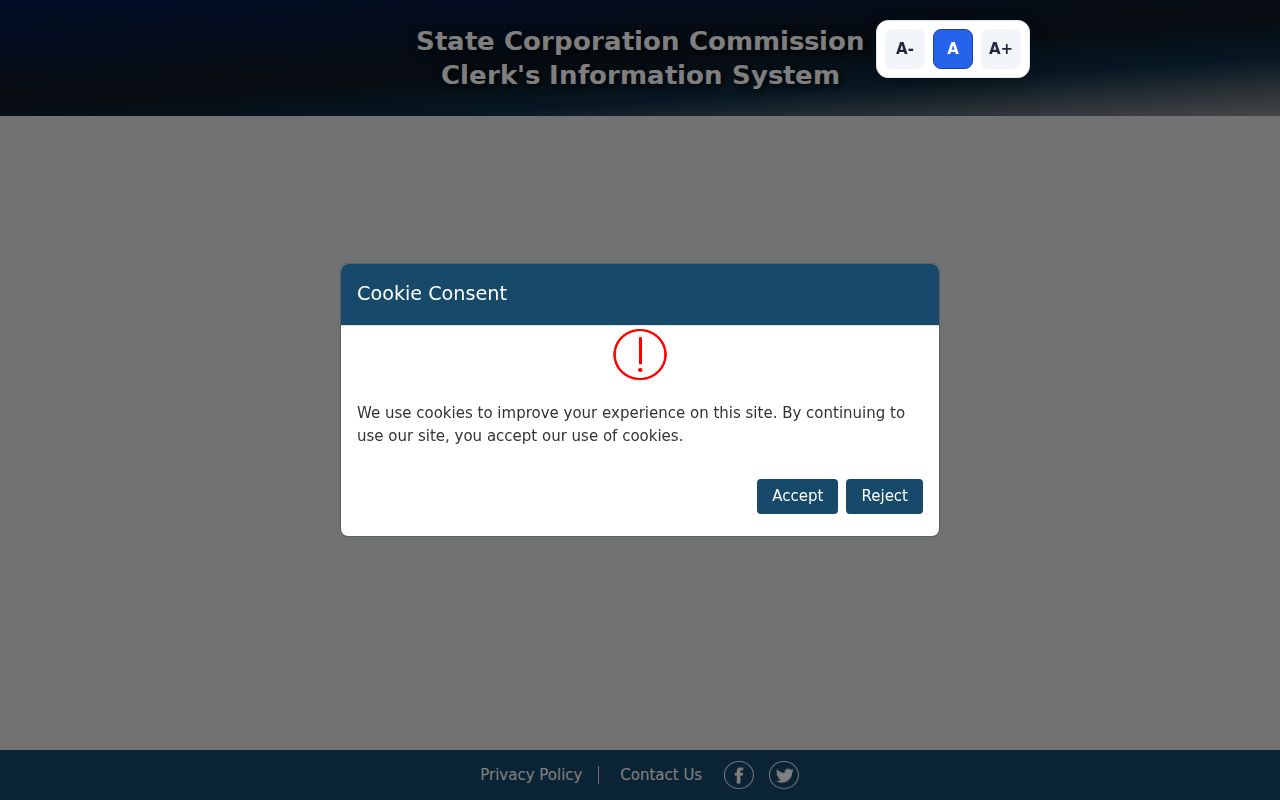
The state filing route offers a supporting identity clue for a named business. It is not a parcel title record. Separately, DPOR licensing records can identify a contractor, surveyor, or other regulated professional. A license still does not establish who owns the land. Use a license lookup only when the property file already names that professional. It can also help when the file names that work role. The Virginia DPOR License Lookup is the official route for that professional license clue.
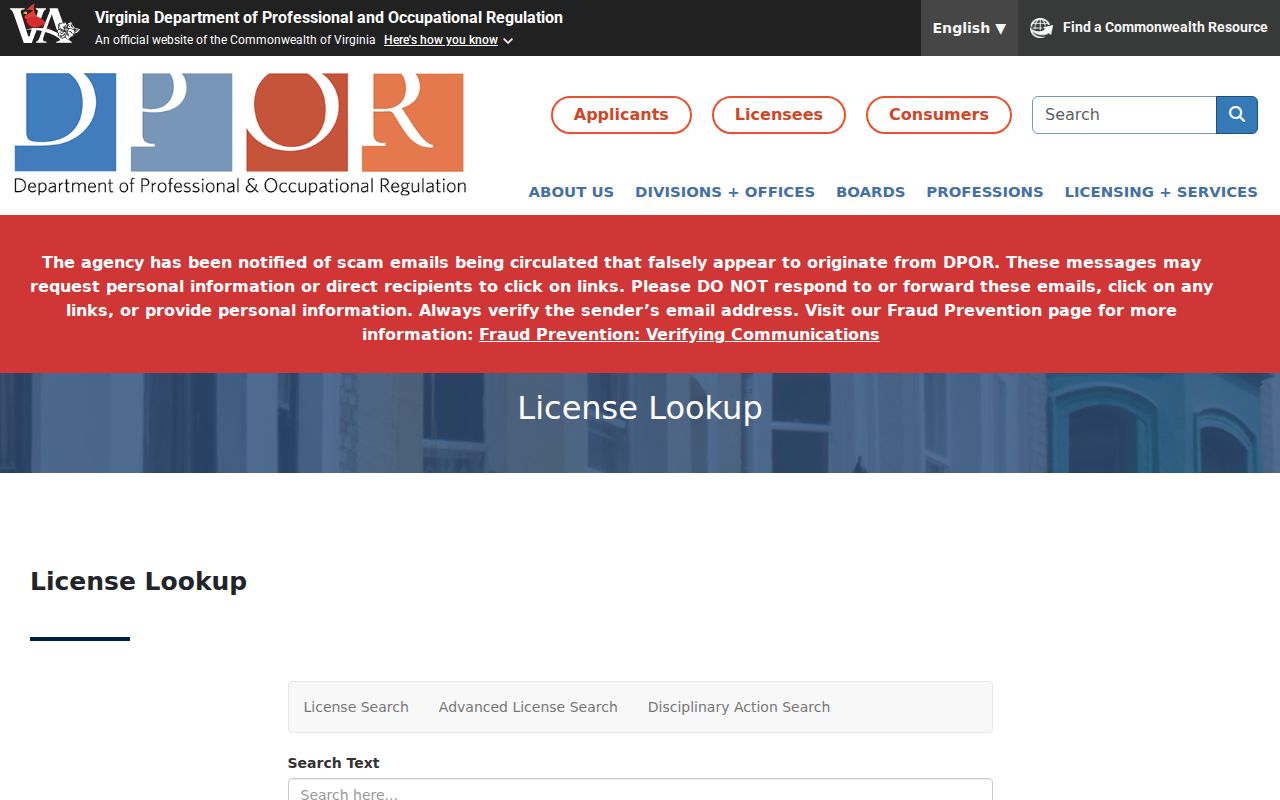
A license entry may explain a professional's role, but the deed remains the record of the land transfer.
Dickenson County Deed Before the Card
A recently recorded deed can be newer than the assessment roll. That gap matters. Dickenson County property records sometimes show a card still bearing the prior owner of record even after a deed has been recorded at the Clerk's office. Take the parcel number from the card. Note the name shown. Then ask the Circuit Court Clerk to pull the latest instrument using the party names, the legal description, and any recording reference you have.
The county's land-record page confirms the records sit in the Clerk's office and lists the copy fees. It stops short on two points. It does not state the web index's current start year, and it omits how far its images reach. Give the Clerk a narrow date range if the online route seems murky. Copy details and book history are on the Dickenson County deed records page.
Dickenson County Owner Privacy Limits
Virginia public-record law carves out real protections. Voter lookup is limited. Protected voter addresses stay withheld. The Safe at Home program gives eligible participants a substitute address. Resist the urge to defeat those shields by stitching a parcel search to voter rolls, court files, or family sources. A Dickenson County property search should stay anchored to the land record. Keep it tied to a lawful property purpose.
When a public field is missing or murky, ask the office that keeps the record. A Virginia FOIA request works best when it names the record, the custodian, and a reasonable time period. Clerks may redact personal fields in a deed under law and local practice. The property record itself grants no license to contact or target a person.
Build a Dickenson County Owner Check From Records
Keep a lead apart from a conclusion. A name on a property card helps you find the assessment account. But the recorded deed governs who actually holds title. Plenty of people appear at an address without owning it. Occupants, caretakers, mail recipients, and names pulled from a business directory may hold no interest at all. Begin with the parcel number or the legal description when you can. Then set the name and date on the assessment card beside the newest instrument in the Clerk's land records. See whether they agree.
A search that starts with a person brings its own traps. People acquire land under many forms of a name. These range from a middle initial to a spouse, a trust, an estate, or a business entity. Name-only results can also merge strangers, especially when a surname is common in Dickenson County. The recorded legal description settles it. So does the grantor or grantee role, paired with an approximate transaction date. Use both when you need to decide whether two records describe the same property.
Company owners add one more layer. Search the exact entity name in the Virginia State Corporation Commission's business records to learn its registered status and listed agent. That record proves nothing about land. The deed must connect the entity to a specific Dickenson County parcel. Do that before you treat the company as the owner of record. The same caution applies to a DPOR contractor or license match, which speaks to licensing and not to title. Label each lookup for the question it actually answers.
Recent transfers deserve a final check. Confirm the deed has been recorded, then confirm the assessment card shows the same change. The tax roll does not update instantly after recording. So ask the Commissioner about the card entry and the Clerk about the instrument whenever dates diverge. Note your source dates along the way. An older screen left open is how a prior owner gets reported as current.